By: Muhammad Hussein Khosh Maslak
One of the features of rituals and cultural events is that it has remained in the memories of a group of people of lands or civilization domains and has preserved their historical continuity in various periods of time. Nowruz [1] celebration is of these rituals which has preserved its cultural position and the historical esteem during long centuries in spite of numerous ups and downs.
Comparing other ceremonies including Yalda, Mehrgan, Tirgan and etc., Nowruz possesses superior importance and position.
The origin of Nowruz or spring temperance goes back the ancient history of Iran and according to historical narrations in ancient days of spring temperance, spring feast or resurrection feast was customary in Iran. In addition to Iran plateau, Nowruz has been respected in Assyria, Babylonia and Sumer civilizations as a celebration in which the brilliant and sensational aspects of nature dominate on darkness and coldness.
Of course; historically, there are differences in viewpoints concerning Nowruz, but according to most historians, the historical origin of such celebration goes back to the periods of time of Jamshid kingdom, the 4th King of Pishdadian… .
In various periods of time, such celebration became prevalent in Tajikistan and even in Egypt. In Sassanid periods of time, Nowruz was paid attention more than ever as a national celebration by political rulers and community. Thus, the variety of rituals and geographic expansion of Nowruz became important in this period of time.
In Sassanid period of time, even people who weren’t Zoroastrian holding were such celebration. The cultural geography of Nowruz isn’t limited to current Iran, but Caucasus, the Kurdish people of the Middle East, some Arabs, Tajikistan, Kazakhstan, Uzbekistan, Turkmenistan, Afghanistan, Pakistan and India Are holding Nowruz celebration with differences in rituals.[1] [2]
Consequently, the first of Farvardin has been recognized as the universal day of Nowruz and as an international ceremony and has been approved in the general assembly of the United Nations. Previously, Nowruz had been recorded as cultural and spiritual heritage of human being in educational, scientific and cultural organization of the United Nations organization (UNESCO).
This introduction about the supreme position of Nowruz in Iranian culture and identity and international perspective can clarify the reason for misusing this occasion. The deviant cult t of Bahaism [3] which has improved itself first via deception and various bloodsheds has always tried to forge history and to give identity to its sectarian members.
One of the features of giving identity is historical rituals and calendar occasions. The range of Nowruz in famous historical civilizations has caused Bahaism to pay more attention to it and to mix this ancient ritual with its name. Introducing Nowruz as one of important days in its calendar, Bahaism is trying to assign a place for itself in the heart of Iranian identity.
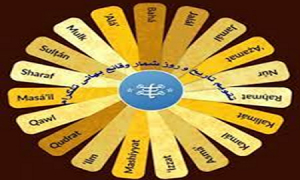
The Baha’is are claiming for Nowruz feast as the starter of the new Baha’i year, too. As a matter of fact, they are gradually trying to confiscate the feast which goes back to ancient Iran as the basis of national identity of Iranian people.
The Baha’is also misuse Nowruz to introduce themselves to people of the world. The agents of the cult have found more opportunities to show off in the United Nations.
Nowruz rituals bear the message of reconciliation, keeping nature clean and the universal peace. So, claiming for peace hypocritically, the Baha’is consider it as theirs and have changed this occasion as a weight to proselytize across the world.
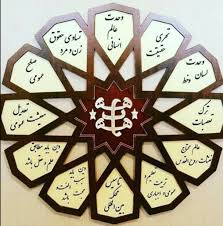
Even, by searching the word Nowruz in English language, you will encounter numerous Baha’i sites and networks in which Nowruz is being introduced as the first day of the Baha’i year.
In the field of act of literature, the Baha’i elements are busy producing various works concerning Nowruz and creating relationship between Nowruz and Bahaism, while the the age of this magnificent feast goes back to Iran and it coincides with the start of the solar year and these measures by Bahaism is nothing but clear deviation.
Source: Roshana periodical, No. 92, Spring 1401, pp. 41-42.
Keep in touch with us: bahaismiran85@gmail.com [4]
[۱] [5] Tahmasebi, Nozar, Nowruz and national identity, Hoviyyat periodical, Isfand 1399, No. 6, pp. 21-24.